Gauteng Premier Panyaza Lesufi’s government has only placed 606 out of the over 5, 000 learners who are to start Grade 1 and Grade 8 over the last two weeks at schools. 4,858 Grade 1 and Grade 8 learners remain unplaced with one week left until schools reopen. While any reduction is welcome, the reality is that only 606 applications have been dealt with over the last two weeks.
Despite MEC Matome Chiloane’s assurances of “efficient and fair” placements, the DA has received verified cases where parents are being offered schools between 60 km and 95 km away from their homes, which is completely unacceptable. The GDE shifts the cost of the department’s failures onto families, placing an unfair financial burden on them.
See photos here, here and here.
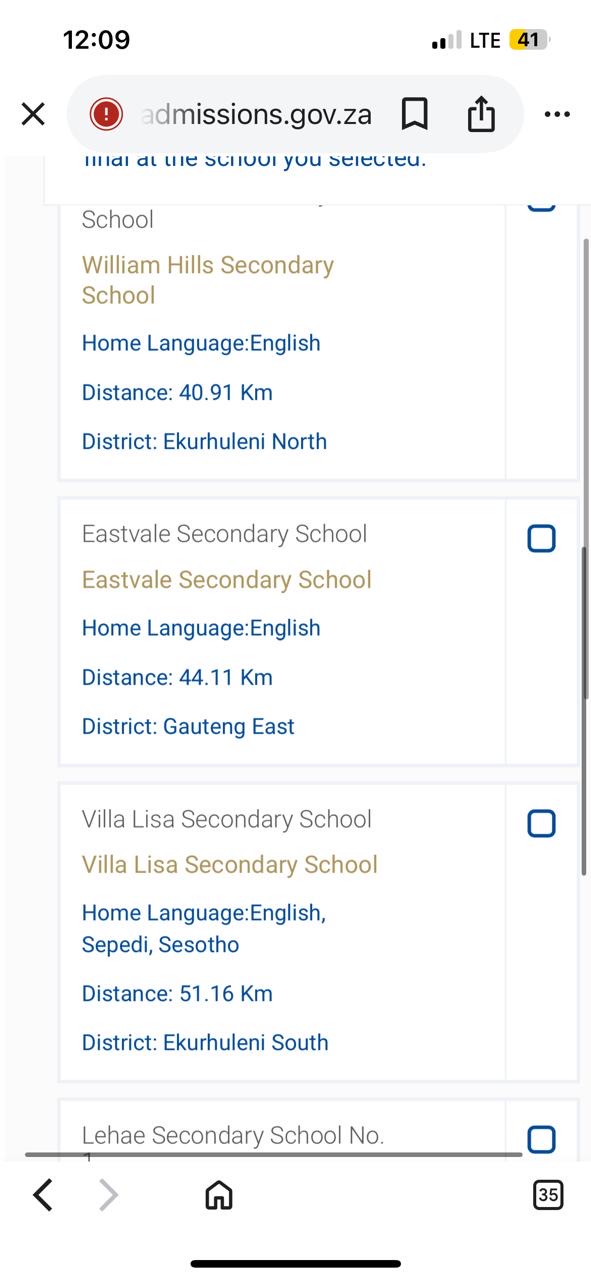
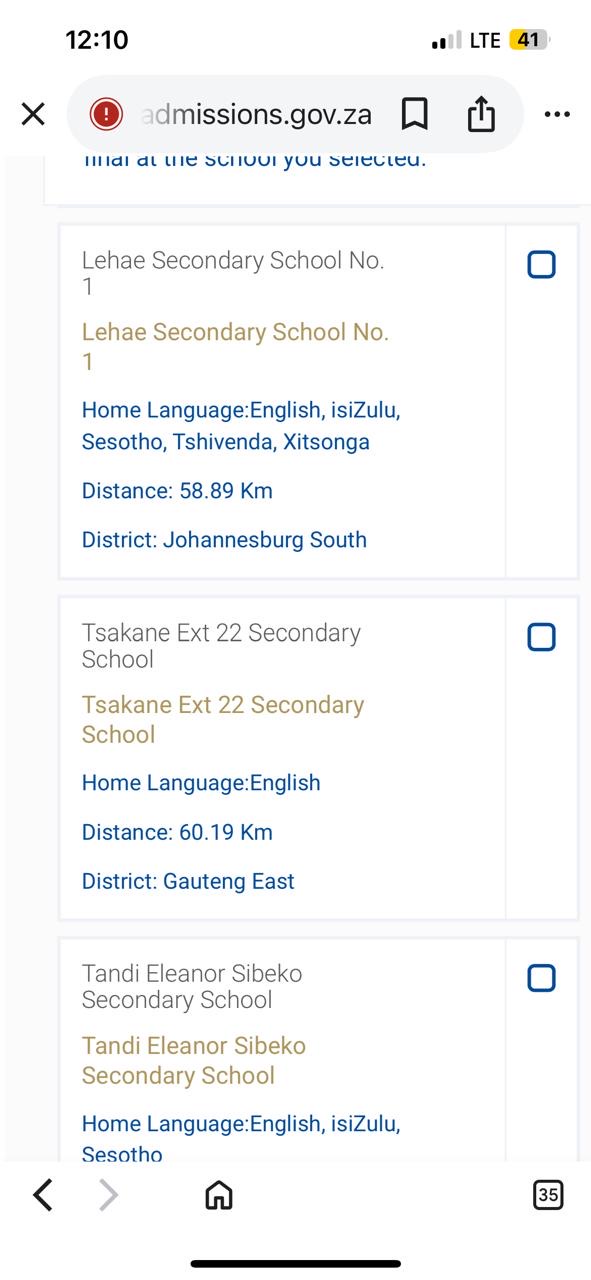

Parents have also raised growing frustration around Grade R learners being forced to reapply to remain at the same school, only to be offered placements elsewhere after families have already purchased uniforms and prepared for continuity. This is particularly concerning given that MEC Chiloane himself opposed this practice while serving as Chairperson of the Portfolio Committee, yet no corrective policy action has followed.
In Tshwane, petitions submitted by parents highlight recurring problems: local learners displaced, persistent Grade 8 bottlenecks, and appeals that are rejected without explanation or left unresolved for extended periods. Sibling placements, safety concerns, and special circumstances are frequently disregarded.
While the GDE points to percentages and system progress, these statistics mask the lived reality. A placement on paper does not equate to real access to education when children are sent far from home or left in limbo days before schools reopen.
This crisis is not new. It is the result of admissions processes starting too late, weak capacity planning in high-growth areas, and limited transparency around placement decisions.
A DA-led Gauteng provincial government would open admissions no later than April, prioritise local and sibling placements, expand capacity in pressure zones, and ensure that no child is forced into unreasonable travel to access education.